
MLB and NFL: Is This Family Entertainment or Adult Entertainment?
A dad and youth baseball coach’s plea for commercials that consider the kids watching.

Thursday evening. Around 6 p.m. I’m trying to watch Major League Baseball playoffs with my boys. My oldest is nine. My youngest is three and a half. This should be an easy way to spend time together: watch a game, talk about baseball, and enjoy the postseason. Instead, I feel like I have to stay on guard for the next commercial break.
Will it be a suggestive ad? A horror movie trailer? Will I have enough time to grab the
remote before something disturbing fills the screen?
Six o’clock is family time in our house. Kids are still awake. We’re watching baseball. I should be able to sit beside my boys and enjoy it.
Alex Call raised a concern many parents recognize
Dodgers outfielder Alex Call recently posted on X, formerly Twitter, criticizing provocative commercials during MLB postseason broadcasts. His concern was familiar: he wants to watch baseball with his son without worrying about what might appear during the next commercial break.
The advertising drawing criticism includes Sydney Sweeney appearing unclothed, with strategically placed sports equipment covering her body, in a campaign for Novig, and Megan Fox promoting an erectile dysfunction treatment in a provocative ad.
Since Call’s post, other parents have voiced similar frustrations on social media—about both suggestive advertising and frightening horror movie trailers during games.
I’m glad this conversation is getting attention, because this is something I’ve wanted to speak about publicly since last year. Over the past couple of years, watching football and baseball with my boys, I’ve repeatedly found myself reaching for the remote during commercial breaks.
Call’s comments gave me a reason to finally put my own experience into words. My concern goes beyond suggestive ads: it’s also the disturbing, violent, nightmare-inducing imagery in horror movie commercials that unexpectedly interrupts a game we’re watching together as a family.
This has been happening for years
The first time I remember being put in this position was watching a football game with my son when a trailer for Cocaine Bear came on. As soon as the commercial ended, my then-five-year-old looked at me and asked, “Daddy, what’s cocaine?”
I just wanted to watch football with my kid. Suddenly I'm explaining cocaine to a five-year-old because of a dumb movie commercial.
That moment has stayed with me. Since then, I’ve continued to encounter horror movie trailers and disturbing imagery during football and baseball broadcasts. Recent campaigns for movies such as Other Mommy bring that frustration right back. A story about a frightening presence in a child’s home that resembles her mother is exactly the kind of material I want to be able to screen before my young children see it.
It takes only a few seconds for a frightening image to appear. By the time I recognize the trailer and reach for the remote, my boys may have already seen something they can’t simply forget when the game comes back on.
That’s why I’ve wanted to raise this issue publicly for so long. Parents should be able to share an afternoon or early evening game with their children without having to anticipate every commercial break.
“Just change the channel” misses the problem
I am choosing what my children watch. WE are a baseball family. I chose a baseball game.
An unexpected image can appear before I know what the commercial is advertising. Changing the channel afterward doesn’t mean my three-year-old didn’t see it. My nine-year-old deserves consideration, too.
I don’t want a commercial break to become something they’re afraid to think about at bedtime.
Make room for the families watching
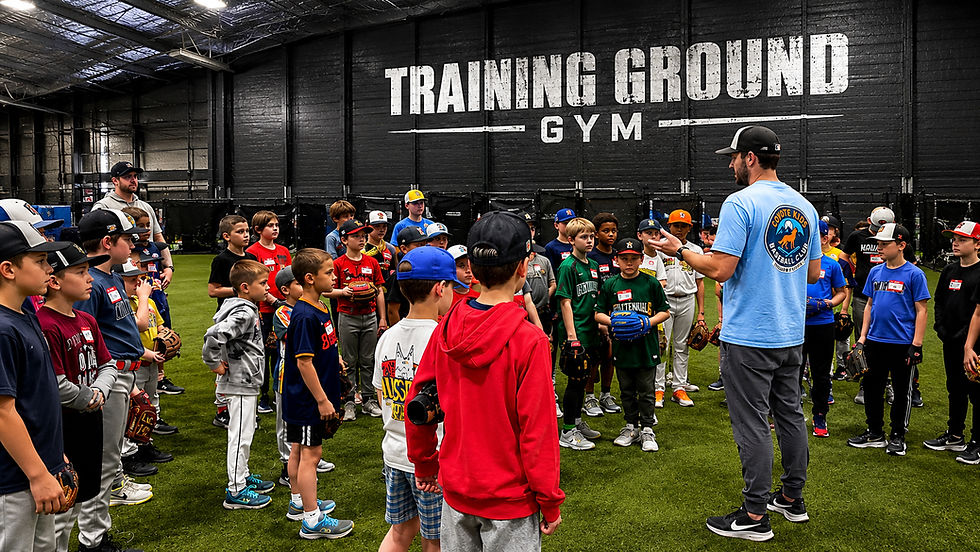
As a dad and a youth baseball coach, I love sharing sports with kids. Watching the pros gives us chances to talk about preparation, teamwork, effort, and handling mistakes.
Those moments help turn a child’s interest into a lasting love of the game.
MLB, the NFL, broadcasters, streaming platforms, and advertisers should consider those children when planning commercial breaks. My request is straightforward: use advertising suitable for a mixed-age audience during afternoon and early evening games, and keep frightening horror imagery and sexually suggestive material out of those breaks.
So here’s my question: Is this family entertainment or adult entertainment?
If families are part of the audience, the advertising should reflect that.
I want to watch the game with my boys. I shouldn’t have to stand guard over the remote.
Sources


Comments